












Pet Travel Rules by Train in France and Europe
(SNCF – Eurostar – ICE / Deutsche Bahn)
Traveling with your pet in France and across Europe by train is usually simple, but each train company has its own rules. Below is a complete guide to
help you prepare your journey with cats, dogs, and small pets.
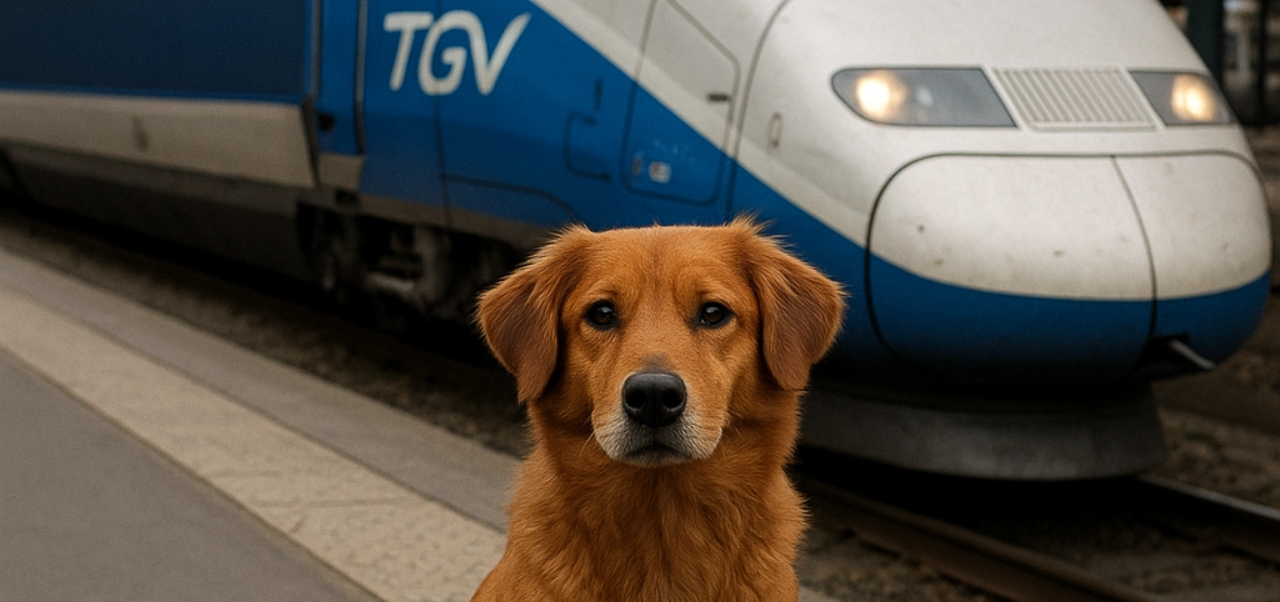
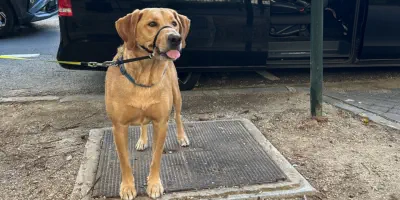
1. SNCF (TGV INOUI – Intercités – TER) Which pets are allowed? ✓ Cats, small dogs, and small pets in carriers. ✓ Large dogs on a leash and with a muzzle Pet fares Small pets under 6 kg (in a closed carrier max 45 × 30 × 25 cm): → €7 per pet (fixed SNCF price) Large dogs over 6 kg (on a leash + muzzle): → 50% of the 2nd-class ticket price, even if you are traveling in 1st class Travel conditions Carrier must remain on your lap or at your feet. Large dogs must be leashed and muzzled during the entire journey. One pet per passenger is recommended, but SNCF can allow more depending on staff discretion. Not allowed ✗ Dangerous breed dogs (Category 1 in France) are not accepted on trains. 2. Eurostar (including former Thalys) ❌ Pets are NOT allowed on Eurostar trains (including Paris–London and ex-Thalys routes). Only exceptions: Assistance dogs officially trained and certified Advance registration is required. 3. ICE / Deutsche Bahn (DB) – France ↔ Germany routes Which pets are allowed? ✓ Cats and small dogs in carriers. ✓ Large dogs with leash + muzzle. ✓ No formal weight limit (DB rules are flexible) Pet fares Small pets under carrier size: → Free of charge (no ticket required) Large dogs (treated as passengers): → Must purchase a dog ticket (usually 50% of a full-fare ticket) Travel conditions Carrier must stay closed on the floor or on your lap. Leashed dogs must remain next to you and wear a muzzle if staff requests it. You should notify DB for international trips with a large dog. 4. International Train Travel With Pets (France ↔ EU) When crossing borders with a dog or cat, the following documents are required: Mandatory Documents Microchip (ISO standard), Valid rabies vaccination (minimum 21 days after first injection), EU Pet Passport (issued by an authorized veterinarian). Recommended Items Travel water bowl, Waste bags, Blanket or pad for comfort, Calming spray or natural stress reducer (if needed). General Advice Pets must stay under control at all times in stations. Some border controls may require you to present documents directly to an officer. For puppies and kittens under 15 weeks, cross-border travel is often prohibited. Arrive early at the station: It helps your pet relax and avoid the rush. Choose off-peak trains: Less noise, more space, and reduced stress for both pet and owner. Keep identification on the collar even if microchipped — staff may ask for quick verification. Bring a quiet chew toy for dogs or a familiar blanket for cats to reduce anxiety. Ventilate the carrier naturally: Avoid covering it fully unless your pet relaxes better that way. Plan hydration breaks during long trips or connections; not all trains have water points. Avoid placing carriers on vibrating surfaces, such as between carriage doors.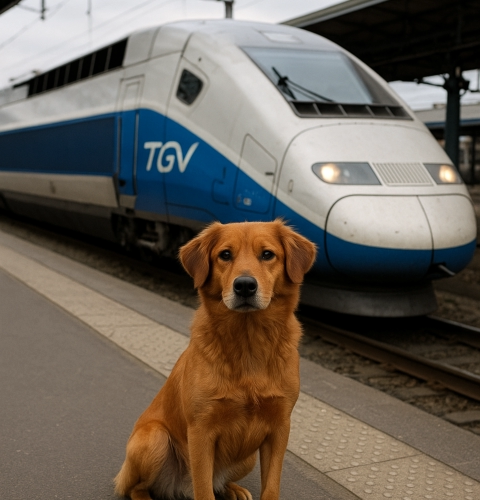




Travel Rules - By train
Pet Travel Rules by Train
in France and Europe
Pet Travel Rules on SNCF Trains (TGV,
Intercités, TER)
SNCF is the most pet-friendly train operator in France. Pets are accepted on nearly all TGV INOUI, Intercités, and TER routes. Allowed Pets on SNCF Cats, small dogs, rabbits, and small pets in a closed carrier. Large dogs on a leash and wearing a muzzle Up to two pets per passenger possible (depending on staff) SNCF Pet Ticket Prices Small pets under 6 kg in a closed carrier: €7 per pet Large dogs over 6 kg: 50% of a full-fare 2nd-class ticket, even if you travel in 1st class Travel Requirements Carrier max size recommended: 45 × 30 × 25 cm Carrier stays at your feet or on your lap Large dogs must be leashed and muzzled during the whole trip. Restrictions Dangerous Category 1 dogs are not allowed Pets must not occupy seats. Pet Travel Rules on Eurostar (Paris–London & Former Thalys) pets are not permitted on Eurostar trains. This includes: Paris ↔ London Paris ↔ Amsterdam / Brussels (ex-Thalys routes now part of Eurostar) Only Accepted Animals Recognized assistance dogs Advance approval is required before travel. Pet Travel Rules on ICE / Deutsche Bahn Trains (France–Germany) ICE trains between France and Germany are pet-friendly with simple rules. Allowed Pets Small pets in a carrier: ✓ Free of charge Large dogs: ✓ Allowed with ticket, leash, muzzle No strict weight limit for carriers. Pet Ticket Prices on ICE Small pets (carrier required): Free Large dogs: dog ticket = approx. 50% of full-fare ticket. Travel Requirements Carrier must remain closed during the journey. Big dogs must be leashed and may need a muzzle.


